
Tourisme Wallonie
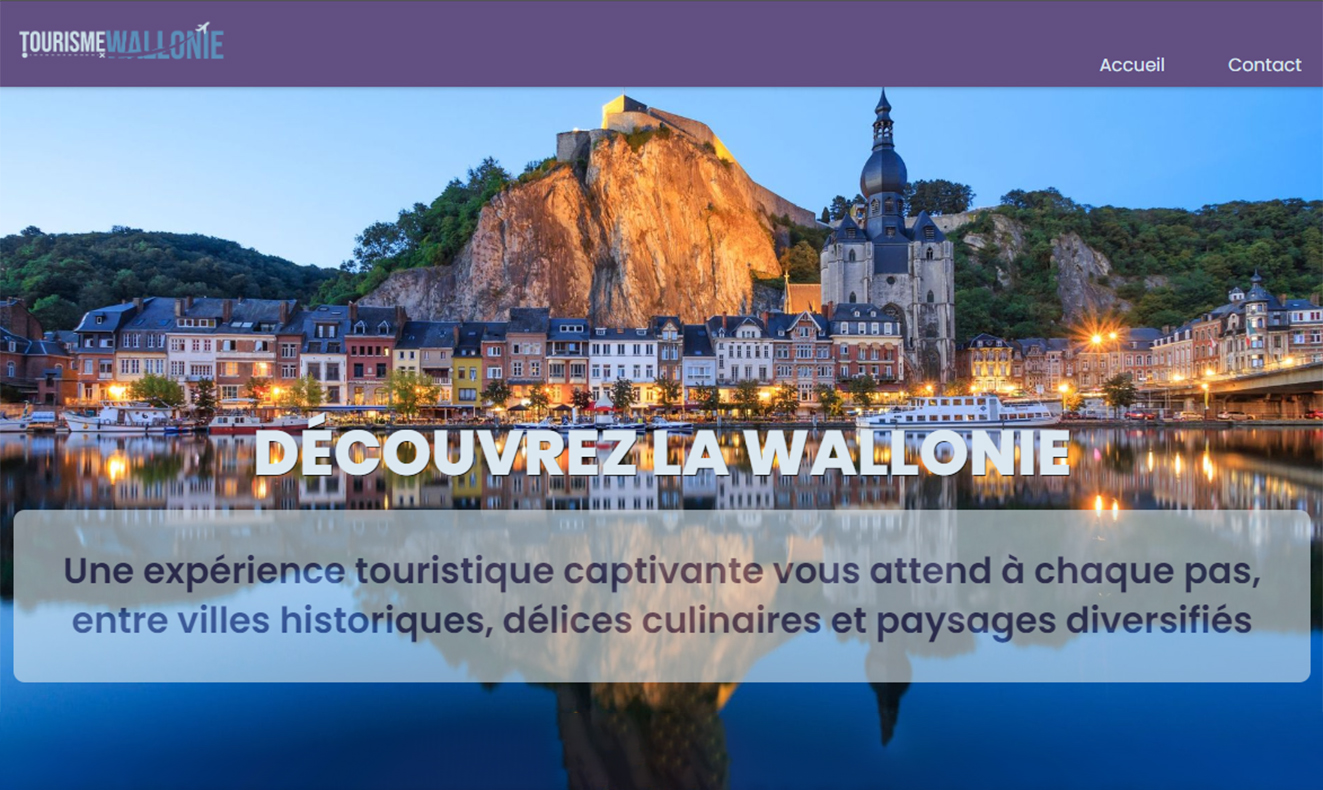
Tourisme Wallonie is a responsive tourism website project created to present selected places to visit in Wallonia, Belgium. The project focuses on clear information, visual presentation, external resource links and simple navigation.
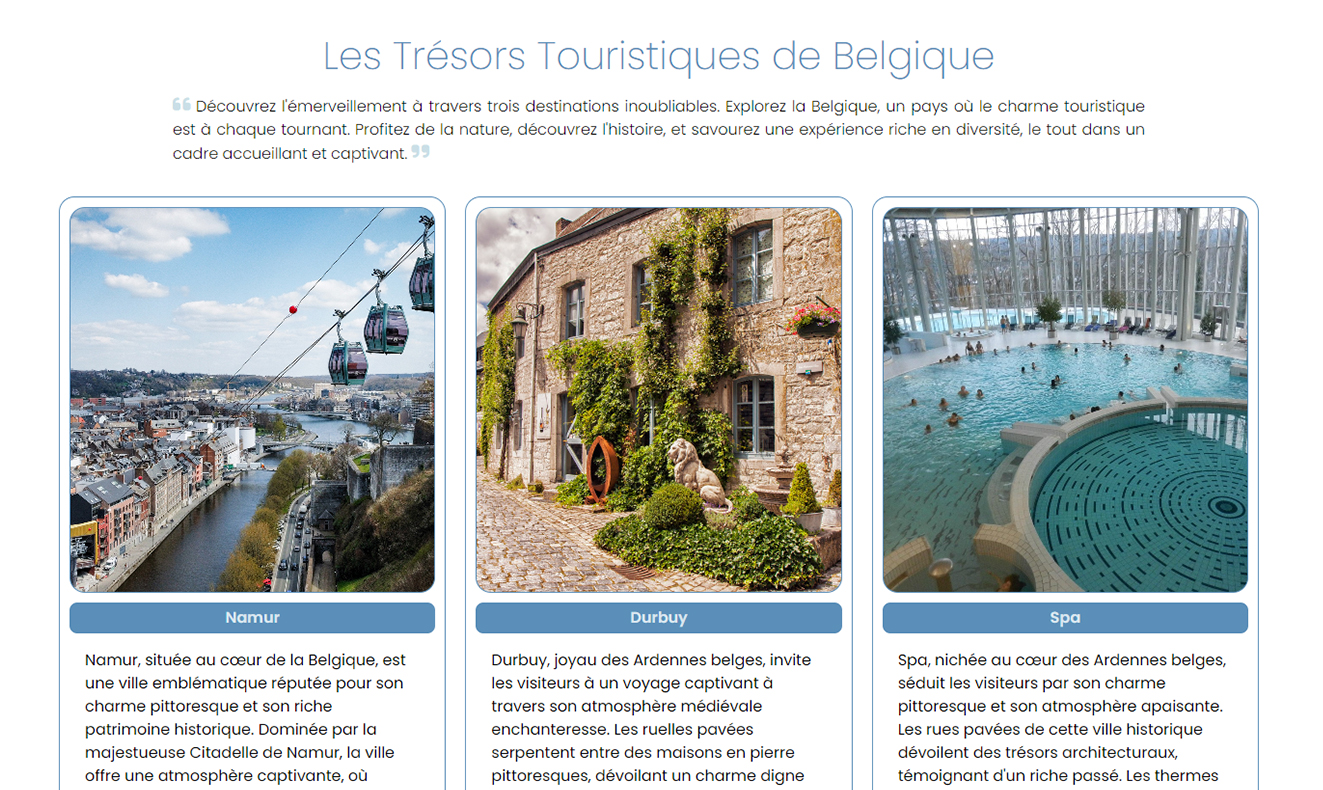
Built with HTML and CSS, the website showcases touristic destinations with images, short descriptions and links to external websites for more detailed information. It was designed as an early frontend project to practise page structure, visual layout and responsive behaviour.
Technologies & Tools Used
Creative Tools
Created the logo and simple visual identity elements.

Prepared and adjusted visual assets for the destination pages.
Frontend

Structured the pages and destination content.

Styled the interface and responsive layouts.
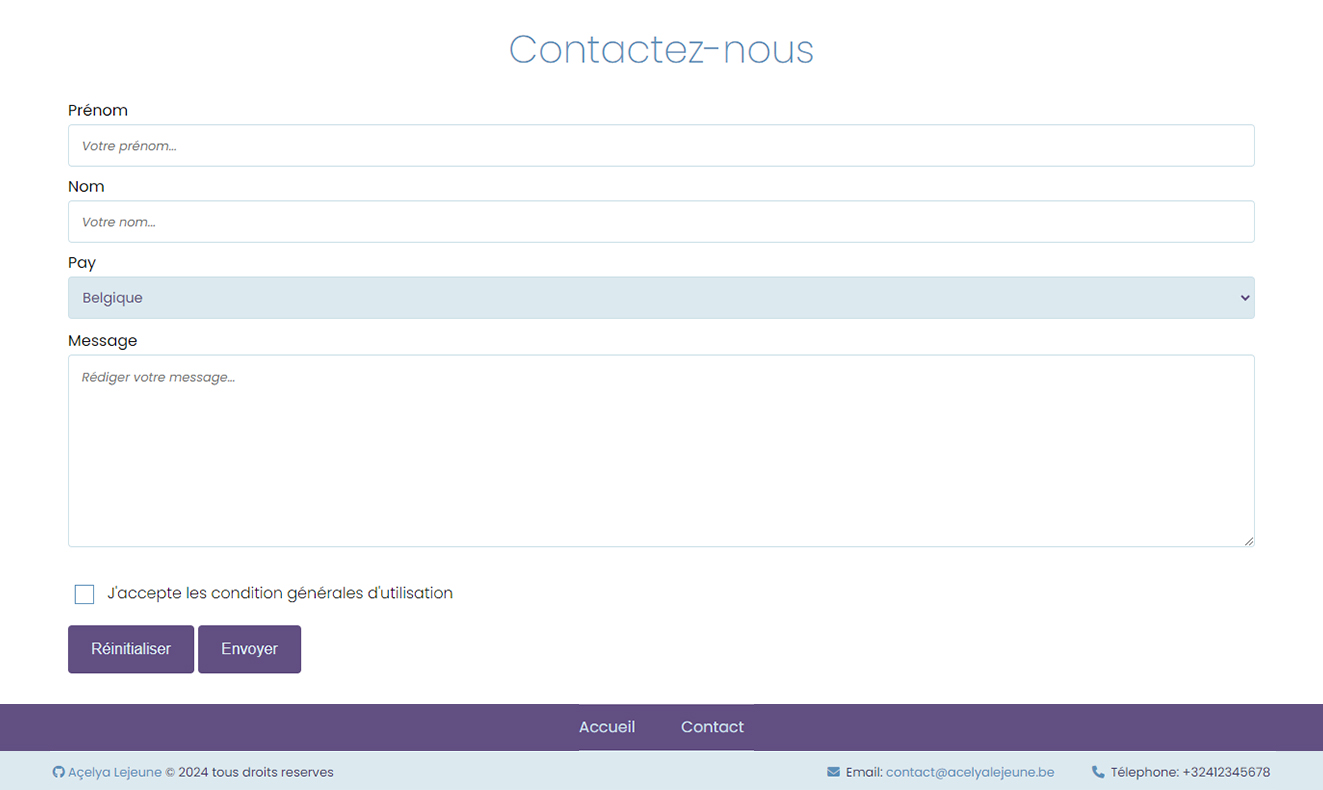
Explore Tourisme Wallonie through the live preview. You can browse the destination pages, view the visual layout and test the responsive behaviour across screen sizes.
View the full codebase on GitHub to explore the HTML structure, CSS styling, responsive layout decisions and static page organization.
Creation Process
To build Tourisme Wallonie, I combined visual preparation with basic frontend development. The goal was to create a simple tourism website that presents places clearly and guides visitors toward additional information.
Logo & Visual Direction
Created the logo with Adobe Illustrator, aiming for a simple visual identity connected to travel, discovery and the Wallonia region.
Visual Assets
Prepared and adjusted images with Adobe Photoshop to support the visual atmosphere of the destination pages and highlight the selected locations.
HTML Structure
Built the page structure with HTML, organizing destination content into clear sections with titles, images, descriptions and external links.
CSS & Responsive Layout
Styled the website with CSS, using layout rules and responsive techniques to keep the pages readable and consistent on desktop, tablet and mobile screens.
Features
Tourisme Wallonie includes simple but useful features for a static tourism website: destination presentation, short descriptions, external links and responsive pages.
Destination Presentation
Selected places in Wallonia are presented with images and short descriptions, making the content easy to browse and understand.
External Resource Links
Each destination can guide visitors toward external websites for more detailed information and travel planning.
Simple Navigation
The project uses a straightforward structure so visitors can quickly move through the content and find the information they need.
Responsive Interface
The layout adapts to different screen sizes, allowing visitors to view the tourism content on desktop, tablet and mobile devices.